

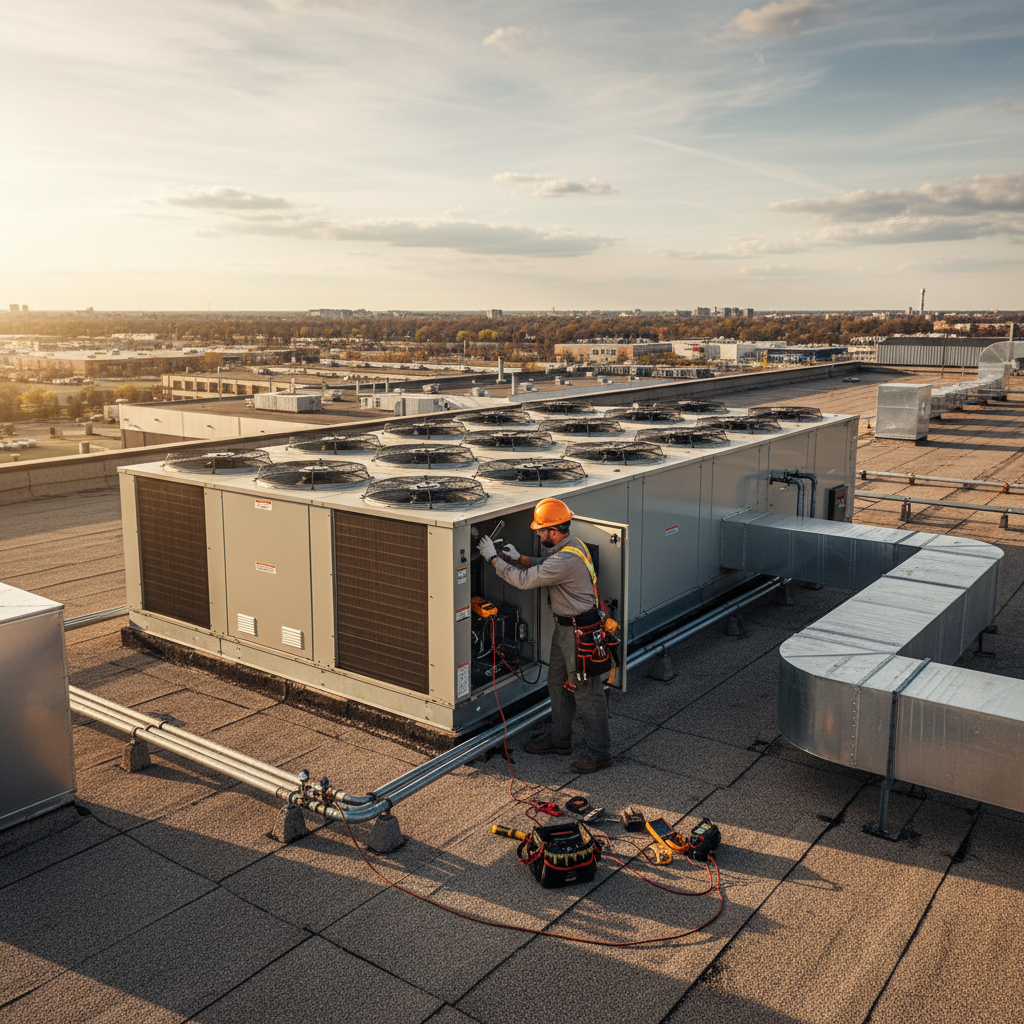
How to hire an HVAC technician
Your service board is full, your best tech just gave notice, and you've got maintenance contracts that need coverage now. This guide covers how to hire HVAC technicians in a market where everyone's competing for the same people.
Why this role is so hard to fill
The trades labor shortage isn't news, but HVAC is feeling it worse than most. The industry needs an estimated 115,000 new technicians per year to keep up with demand, retirements, and turnover. The training pipeline takes two to five years depending on the path (trade school, apprenticeship, or military). There's no shortcut to getting someone EPA 608 certified and field-ready.
Everybody's competing on sign-on bonuses. That gets someone in the door, but it doesn't keep them. Techs who leave for a $3,000 bonus will leave again for the next one. The companies that retain HVAC talent are the ones addressing what actually frustrates their people, not throwing cash at the symptom.
Where to find them
Job postings. Post on Indeed, LinkedIn, and trade-specific boards like HVAC Jobs or iHireHVAC. Repost weekly. Review every applicant against your job brief. Plenty of strong techs apply through the front door. Don't write them off because they came from a job board.
Supply houses and distributors. Your local Carrier, Trane, or Lennox distributor talks to techs every day. They know who's sharp and who's frustrated with their current shop. Build relationships with counter staff. They're a sourcing channel nobody's working.
Trade schools and apprenticeship programs. If you need journeyman-level talent, this won't help today. But building a relationship with local HVAC programs means you get first pick of graduates before they hit the open market. It's a long play that pays off.
Referrals from your current techs. Your best HVAC tech knows five other good ones. Offer a meaningful referral bonus and make it easy to submit names. Most referral programs fail because they're too complicated or the payout takes three months.
LinkedIn and outbound. Search for HVAC technicians in your market. Look for certifications (EPA 608, NATE, R-410A), specific equipment experience, and endorsements from supervisors. Send a short, direct message about why you reached out to them specifically.
How to reach the ones who aren't applying
Most HVAC techs aren't scrolling job boards. They're in an attic, on a roof, or in a mechanical room. If you want to reach them, you need to go to them.
When we do outbound for HVAC roles, we don't lead with the job. We lead with what's probably bothering them. The on-call schedule that's burning them out. The van that's falling apart. The dispatcher who stacks five calls on a Friday afternoon. The fact that they haven't had a raise in two years even though they're the one training new hires.
Start there. Not with your job description.
"I talk to a lot of HVAC techs who are fed up with on-call rotations that never seem fair. Is that something you're dealing with, or does your shop have that figured out?"
That question gives them permission to say no. But if something's off, they'll tell you. And now you're having a real conversation instead of pitching a job nobody asked about.
Sign-on bonuses attract attention. Solving what's actually frustrating a tech is what gets them to move.
The screening call: Career Gap first, qualifications second
Before you ask about refrigerant types or troubleshooting process, ask this: "Tell me about what you're doing now and what's got you open to a conversation."
That's the Career Gap. You need to understand why someone would leave their current shop before you evaluate whether they can do the work. If there's no real motivation to move, it doesn't matter how many certifications they hold. They'll take your offer, get a bump from their current employer, and stay put.
Once you understand the gap, check compensation. If they're 30% over your range, end the call respectfully. No point wasting anyone's time.
Then connect the role to their gap. Don't read them a job description. Tell them how this job fixes the thing they just told you is broken.
What to dig into once they're qualified
After motivation and comp are aligned, the technical evaluation is yours to run. You know your systems, your service area, and what kind of tech fits your operation.
The areas that tend to matter: equipment experience (residential splits vs. commercial rooftop units vs. chillers), controls knowledge, diagnostic process, and how they handle callbacks. Every shop weights these differently based on the work they do.
Where most evaluations miss is on the retention side. A tech can troubleshoot anything and still quit in six months because the thing that was bothering them at their last job is bothering them at yours. That's why the Career Gap matters. If you didn't uncover the real reason they're moving, you're guessing at whether they'll stay.
After the interview: move fast
HVAC techs don't sit on the market. If you liked someone in an interview, they probably have two other conversations happening. Waiting a week to make a decision is how you lose the person you wanted.
Make your go/no-go call quickly and communicate it. If you're on the fence, bring them back for a ride-along or a second conversation. Some of the best hires started as a "maybe" who got more impressive the deeper you went.
Closing the deal
When you're ready to make an offer, go back to the Career Gap.
Address what they care about. If the tech told you their biggest frustration is on-call burnout, show them your rotation schedule. If they're tired of running residential service calls and want commercial work, talk about your project mix. The offer should feel like a direct answer to their problem.
Be specific about the work. Tell them what equipment they'll be working on. What the service territory looks like. Whether they'll have a helper. HVAC techs want to know what their days actually look like.
Know your market. Compensation for HVAC techs varies by certification level, experience, and whether the role is residential service, commercial maintenance, or installation. Make sure your offer reflects what the role is worth in your area.
Present the offer verbally first. Have the conversation before sending paperwork. Make sure pay, benefits, on-call expectations, and start date are aligned. A written offer should confirm what you already agreed on.
Check in three days after acceptance. Counteroffers happen. Their current employer will promise the raise they should have given a year ago. A quick call to confirm they're still feeling good prevents last-minute fallout.
When to bring in a recruiter
If you've been posting for more than 30 days and your pipeline is empty, the approach isn't working. A recruiter who knows the trades can source from networks you don't have access to and move faster than an internal team that's juggling 15 other openings.
The right recruiter starts with motivation, not just certifications. A recruiter who understands why an HVAC tech would leave a stable job is worth ten who can match keywords on a resume.
Related posts

The best construction recruiting firms in 2026, grouped by how they charge
Nine construction recruiting firms compared on fee transparency, guarantees, focus, and speed, using only what each firm publishes. Two of the nine publish their fees.
July 12, 2026 · 8 min read

How to hire a superintendent in construction
The complete guide to finding and closing senior field talent for your construction firm.
March 5, 2026 · 7 min read