

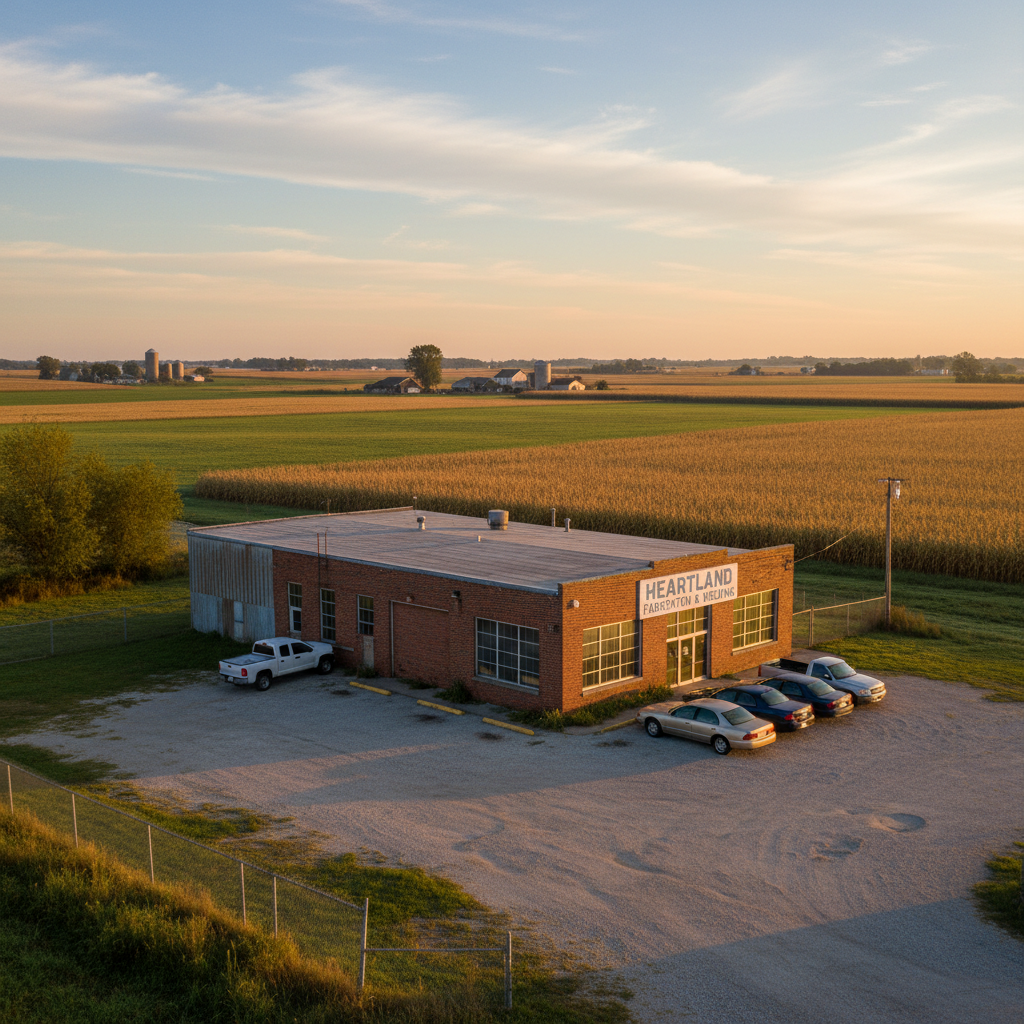
Hiring for a rural plant: the playbook most manufacturers don't have
You've got a plant in a small town. You need people to run it. And when you post jobs, you're pulling from a talent pool that looks thin compared to what a metro plant gets. But a small pool doesn't mean a bad pool. It means you need a different playbook.
Your local talent pool is the foundation
Most manufacturers in rural areas make the same mistake: they assume the local market doesn't have enough qualified people, so they immediately start trying to recruit from cities. That's backwards.
Your first move is winning the people who already live within driving distance of your plant. They're the backbone of your workforce, and they care about things that work in your favor.
Stability matters more than salary. In smaller communities, people value predictability. They want to know the company isn't going anywhere. They want consistent shifts. They want to work for someone who doesn't lay people off every time the market dips. If you can offer that, say it clearly and say it early.
Cost of living is a selling point. A dollar goes further in a rural area, and the people who live there know it. They chose to be there. Don't overlook that when you're talking about compensation. The total picture matters more than the number on the check.
Nobody wants a long commute. If your plant is 20 minutes from town and the nearest metro employer is 90, that's a huge advantage. Use it. Candidates who've done the city commute and hated it are sitting right there in your market.
Community connection runs deep. People in small towns talk. If your plant has a reputation as a good employer, that reputation does half your recruiting for you. If it doesn't, no amount of job postings will fix it.
The strongest rural hiring strategies don't start with recruiting. They start with being the employer people in town already want to work for.
How to actually reach local candidates
Job boards work, but they're not enough on their own. In a rural market, you've got to show up where people already are.
Local newspapers and community boards. Not every candidate is scrolling LinkedIn. Some of them are reading the local paper or checking the board at the hardware store. Meet people where they are.
Word of mouth through your current team. Your employees know people. They go to the same church, coach the same little league teams, eat at the same restaurants. A referral program with real teeth will outperform most sourcing channels in a small market.
Community college and trade school partnerships. If there's a technical program within an hour of your plant, build a relationship. Offer tours. Sponsor a scholarship. Be the company their instructors mention by name.
Local job fairs and hiring events. Host them yourself if nobody else does. A Saturday morning open house at the plant does more for your pipeline than a month of Indeed posts.
When the local pool isn't enough
There are times when you need a skillset that doesn't exist in a 50-mile radius. A specialized maintenance technician. A quality engineer. A plant manager with 15 years of experience. That's when you look at cities.
Here's the thing: some people want to leave. They're tired of traffic, tired of the cost of housing, tired of raising kids in a suburb where the backyard is the size of a parking spot. A rural opportunity isn't a downgrade to them. It's what they've been looking for.
We've placed candidates from metro areas into rural plants. It works. But you can't build your entire hiring strategy on relocation. It's a way to plug specific gaps, not a foundation.
When recruiting from cities, lead with lifestyle. Don't just talk about the job. Talk about the 10-minute commute. The school district. The land. The pace of life. If the candidate has been thinking about leaving the city, those details close the deal more than the job description does.
Be honest about what the town doesn't have. Don't oversell. If the nearest decent restaurant is 30 minutes away, say so. Candidates who relocate based on inflated expectations leave fast. Candidates who relocate with clear eyes tend to stay.
Offer relocation support, but keep expectations realistic. Help with moving costs. Give them a list of realtors. Connect them with someone at the plant who made the same move. Don't promise the town will feel like home in a month.
Get the hire right the first time
Whether you're hiring locally or bringing someone in from two states away, the cost of getting it wrong is the same. Training time. Lost productivity. A shift that runs short while you start the search over.
That's where the Career Gap matters. Before you evaluate skills and experience, understand why the candidate is open to a move. What's missing in their current situation? What would keep them in a role long-term?
For rural hires, this is even more important. A candidate who relocates because they liked the salary but didn't actually want small-town life will leave within a year. A candidate who relocates because they want what your community offers will put down roots.
The same applies locally. If someone's looking because they're bored on their current line, but your open role is the same kind of work, the Career Gap tells you that before you waste three weeks on interviews.
The long game
Rural hiring isn't a one-time project. It's a reputation play. Every person you hire becomes an ambassador for your plant. Every positive experience in your community adds to a pipeline you can't buy with job ads.
Invest in the local workforce first. Supplement with city recruits when you need specific skills. And make sure every hire starts with understanding what the person actually wants, not just whether they can do the job.
That's how you fill a plant in a town of 5,000.
Related posts

How many candidates does it take to make one hire? A real funnel, start to finish
One documented search: 706 candidates sourced, 100 outreached, 24 engaged, 4 qualified, 1 hired in 23 days. The full recruiting funnel, stage by stage.
July 12, 2026 · 9 min read

The real cost of an unfilled position in construction
Open roles don't just sit there. They slow projects, burn out your best people, and cost you bids. Here's what's really happening when a position stays unfilled.
February 1, 2026 · 6 min read